
Carousel Posts for Therapists & Mental Health Professionals
Carousel Posts for Therapists & Mental Health Professionals
Mental health content on social media walks a tightrope. Share too little and you blend into the noise. Share too aggressively and you risk oversimplifying complex clinical work or eroding trust with potential clients who need to feel safe before they reach out.
Carousels solve this tension because they allow you to hold nuance. A single image cannot explain why anxiety shows up differently in the body versus the mind. A Reel might capture attention, but it rarely builds the kind of trust that makes someone comfortable enough to book an intake session. A well-structured carousel does both: it educates with depth, demonstrates your clinical perspective, and creates the safety that precedes a first appointment.
For therapists specifically, carousels also serve as extended business cards. When a potential client finds your profile through a friend’s share or a hashtag search, your carousel posts are often the first place they assess whether your approach resonates with their experience.
Why Carousels Build Trust in Mental Health
Pacing matches the therapeutic process. Swiping through slides is a self-directed experience. The reader controls the pace, just like they would in a session. This sense of control is particularly important for people exploring mental health content who may feel vulnerable.
Depth signals competence. A carousel that thoughtfully unpacks a concept like emotional regulation or attachment styles demonstrates that you understand the topic beyond surface-level buzzwords. Depth is what separates a licensed professional from a wellness influencer.
Saves indicate resonance. When someone saves your carousel about recognizing the signs of burnout, they are telling the algorithm and themselves that this content matters to them personally. High save rates on mental health content often correlate with future client inquiries.
5 Carousel Post Ideas for Therapists
1. The Psychoeducation Breakdown (AIDA Framework)
Take a clinical concept your clients frequently misunderstand and make it accessible without dumbing it down.
Format: 6-8 slides walking through one concept from definition to application Best for: Establishing clinical credibility and attracting clients who value understanding over quick fixes
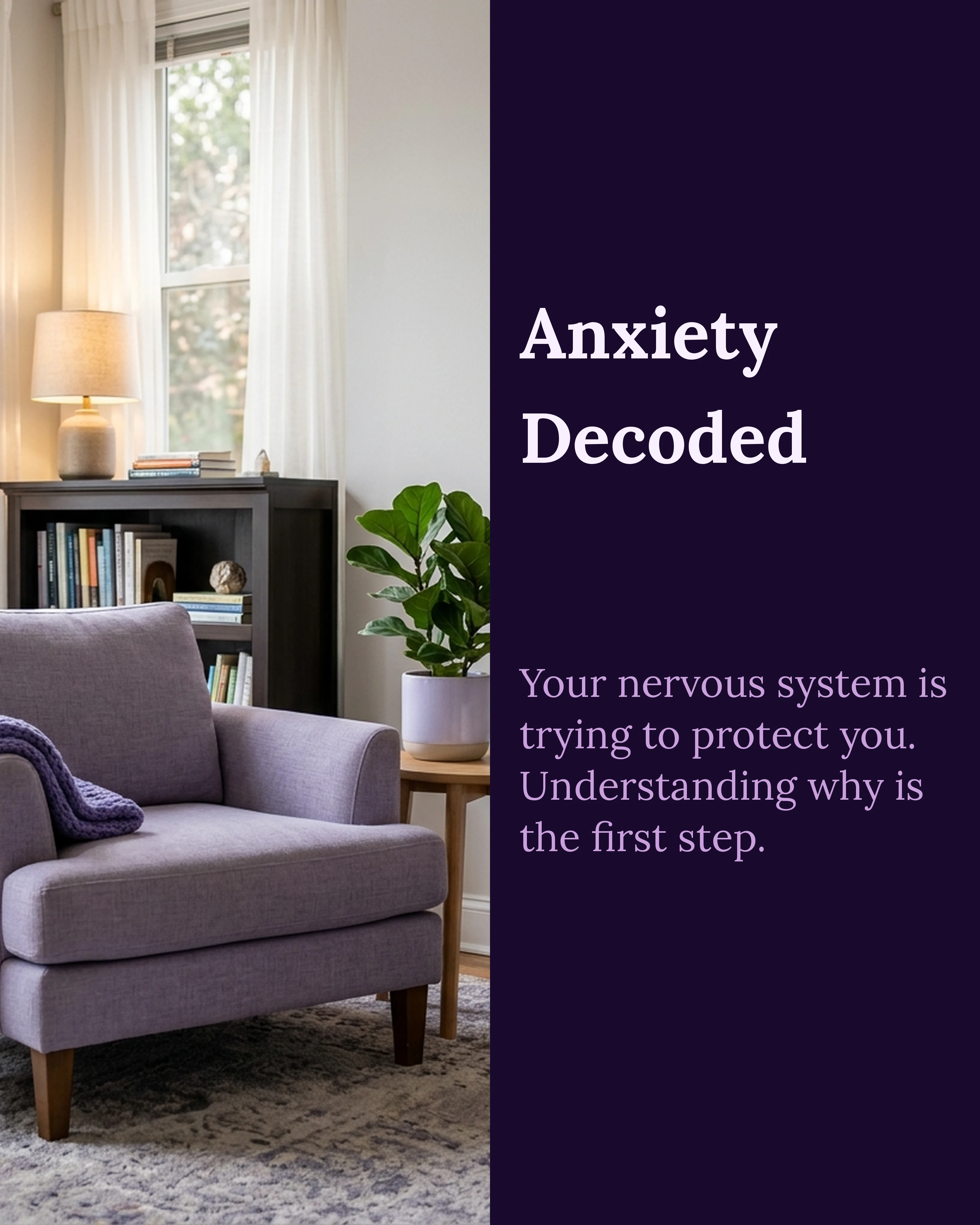
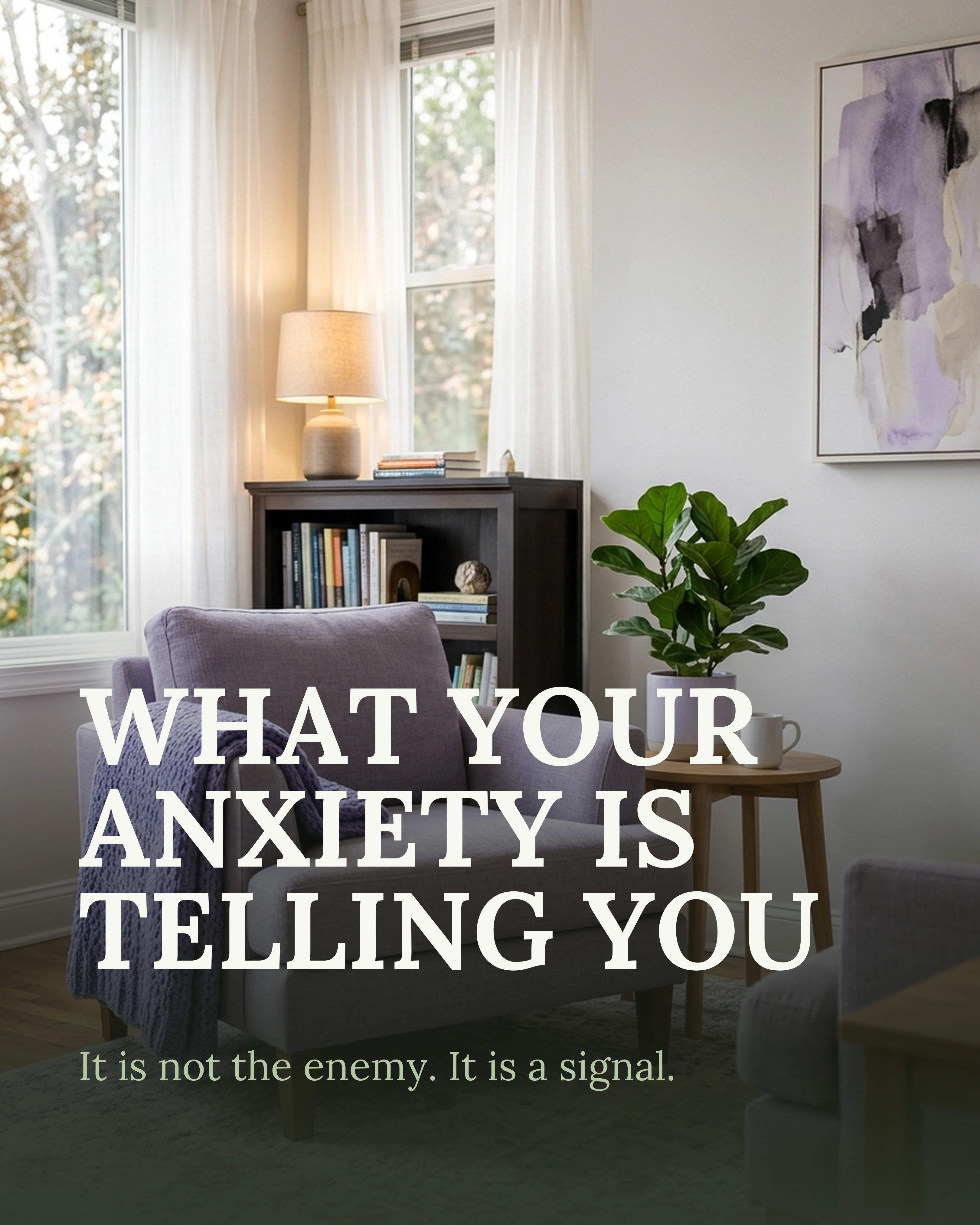
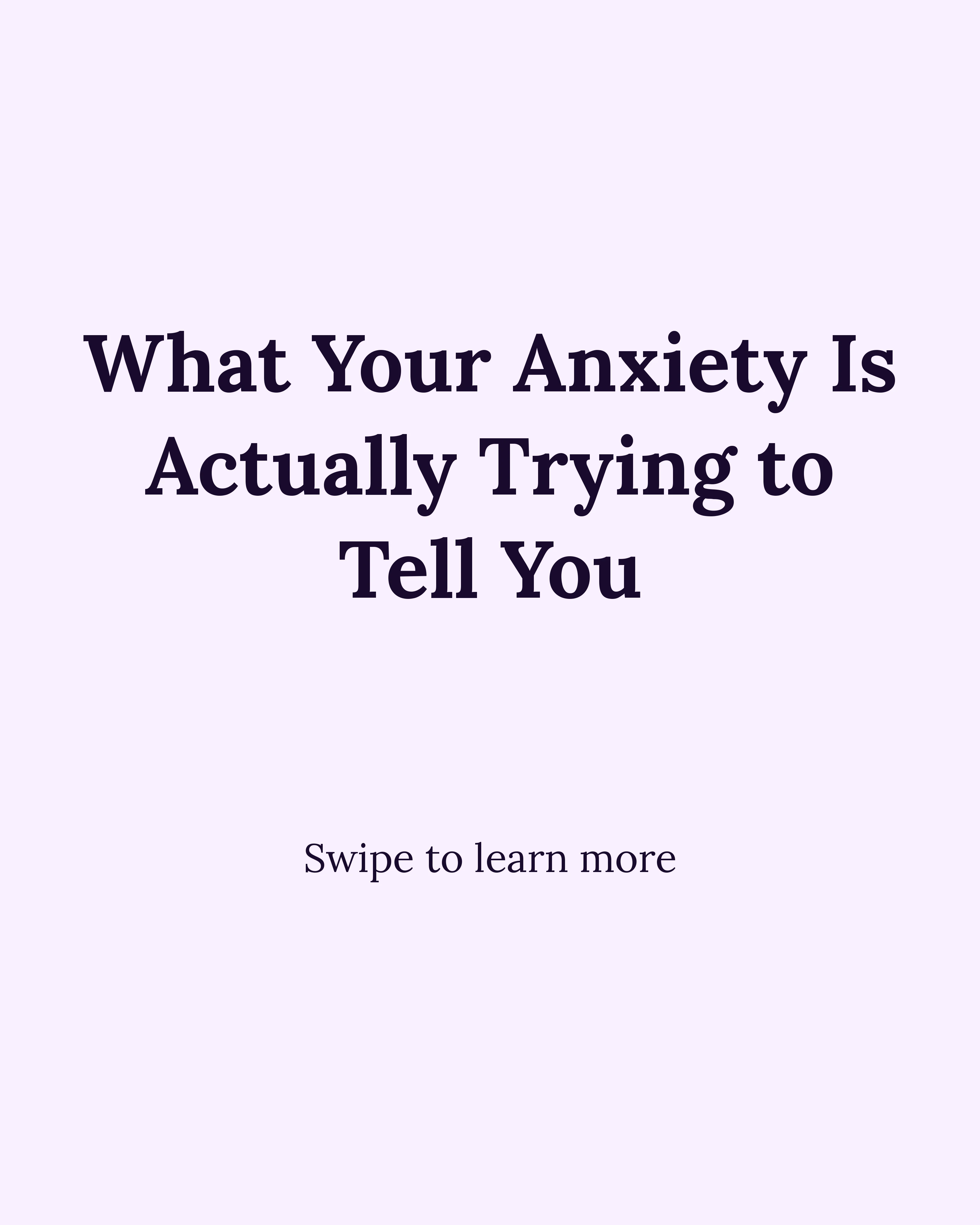
- Slide 1 (Attention): “What Your Anxiety Is Actually Trying to Tell You”
- Slides 2-3 (Interest): Walk through the biological purpose of anxiety — the nervous system’s alarm system, why it exists, how it helped our ancestors survive.
- Slides 4-5 (Desire): Explain how anxiety becomes maladaptive — when the alarm stays on even when the threat is gone.
- Slide 6 (Action): One grounding technique the reader can try right now. Keep it simple: name 5 things you can see.
This format works because it reframes a painful experience as something understandable, which is precisely what good therapy does. The hook strategies guide covers how to write openers that create curiosity without clickbait.
2. The “Signs You Might…” Checklist (Listicle Framework)
Normalize common experiences by framing them as recognizable patterns rather than diagnostic criteria.
Format: 7 slides — hook + 5 signs + closing validation Best for: Reaching people who do not yet have language for what they are experiencing
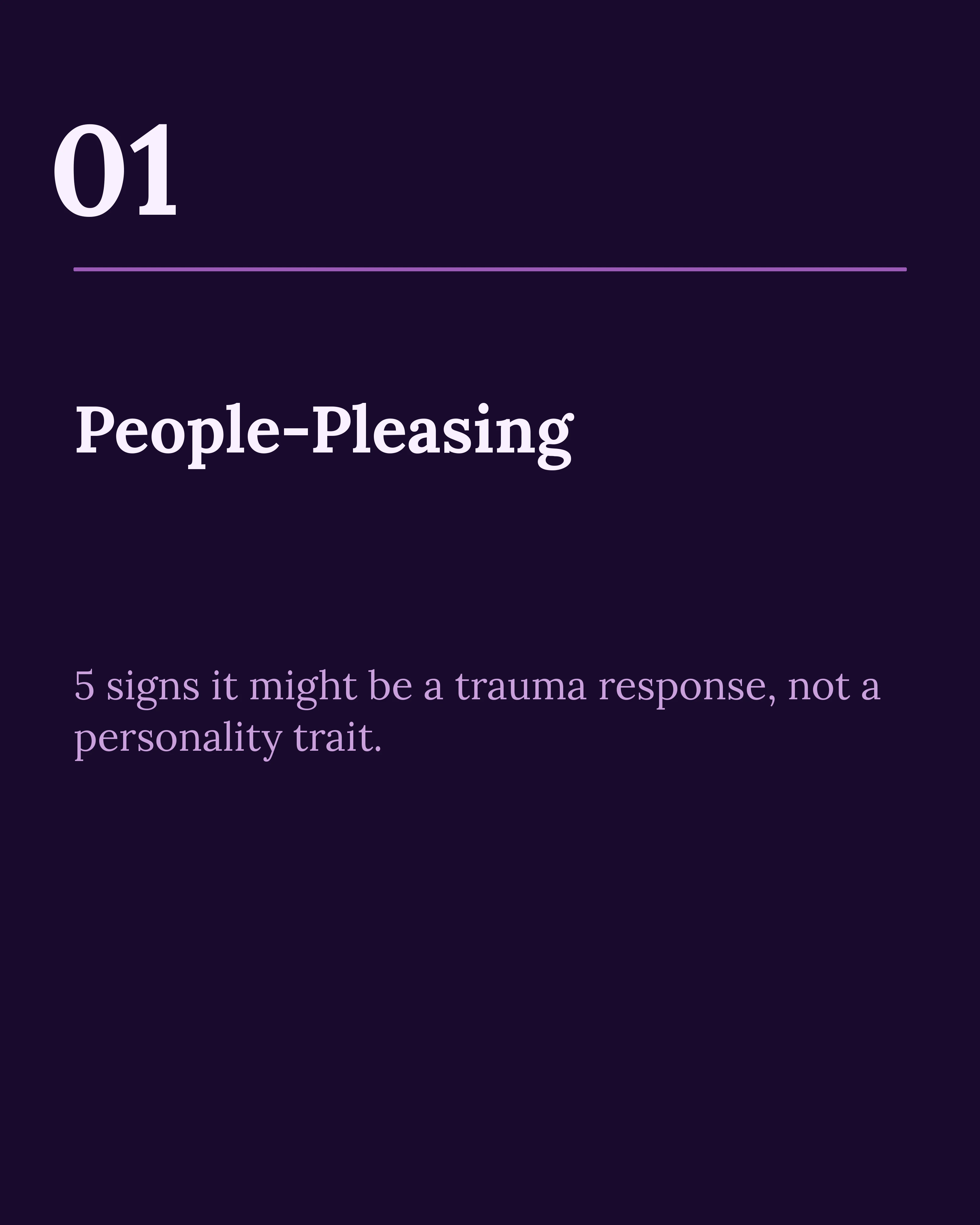
- Slide 1: “5 Signs Your People-Pleasing Is Actually a Trauma Response”
- Slides 2-6: Each slide covers one sign with a brief, validating explanation. For example: “You apologize for things that are not your fault” or “You feel responsible for other people’s emotions.”
- Slide 7: A closing that normalizes the experience. “Recognizing the pattern is the first step. You are not broken — you adapted.”
Be careful with the framing here. The goal is recognition, not diagnosis. Language like “you might notice” or “this can sometimes look like” keeps the tone exploratory rather than clinical.

3. The Reframe (PAS Framework)
Take a thought pattern your clients commonly bring to sessions and walk through a gentle reframe.
Format: 6-7 slides following the problem-agitate-solve arc Best for: Reaching people stuck in a shame cycle who need a new lens
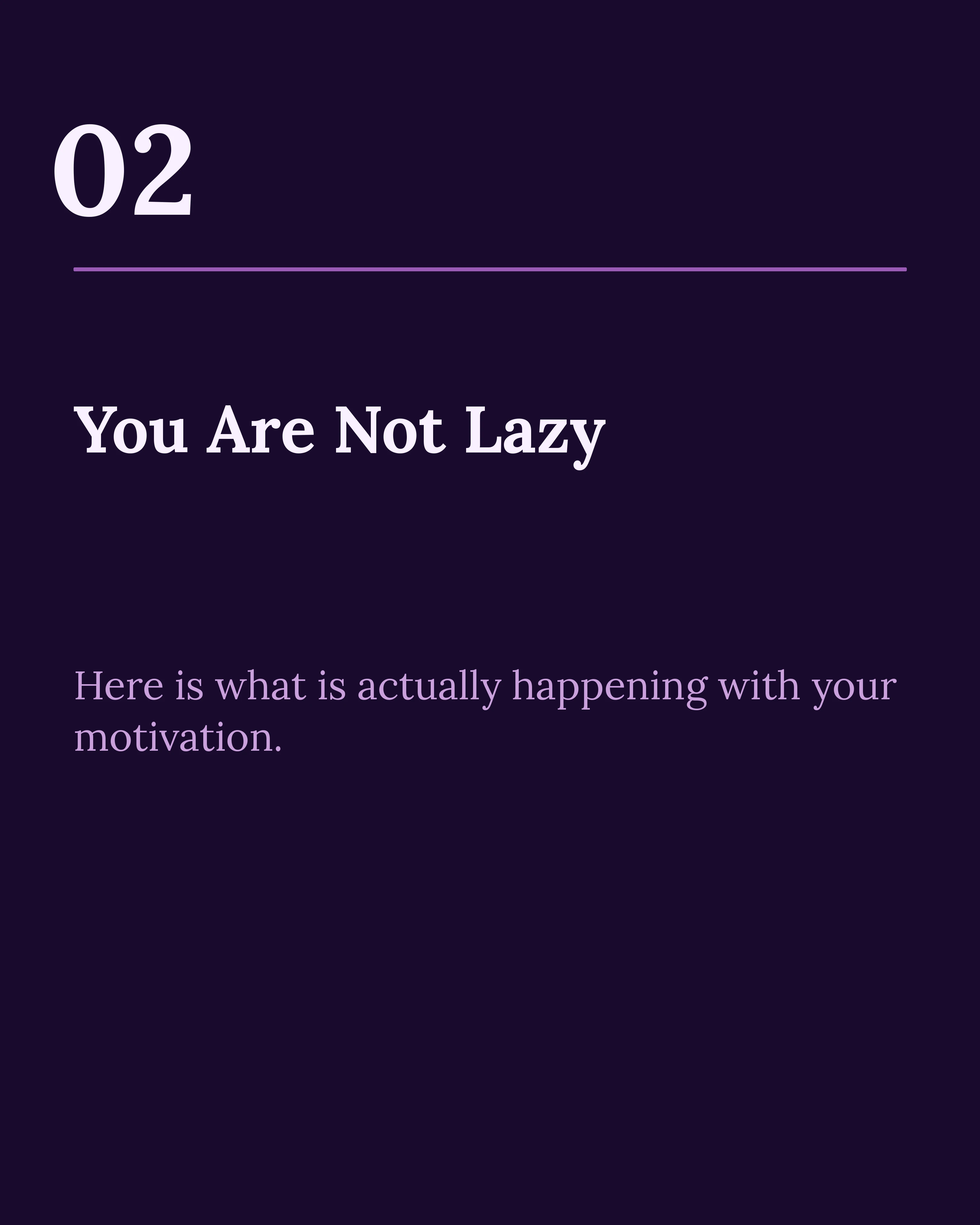
- Slide 1 (Hook): “You Are Not Lazy. Here Is What Is Actually Happening.”
- Slides 2-3 (Problem): Describe the experience of chronic procrastination and the shame cycle. “You planned to start at 9 AM. It is now 2 PM. The task is still open. And now, on top of the original task, you are also dealing with guilt.”
- Slide 4 (Agitation): Explain why willpower-based solutions fail. “Telling yourself to try harder is like telling someone with a broken leg to walk faster.”
- Slides 5-6 (Solution): Introduce the concept of executive function, nervous system regulation, or whatever clinical lens applies. Offer one concrete strategy.
This is where the PAS framework shines in a therapeutic context. The problem-agitate-solve structure mirrors the therapeutic process of validating an experience before offering a new perspective.

4. The Boundary Script (How-To Framework)
Provide actual language people can use in difficult conversations. Boundary-setting content is among the most saved and shared in the mental health space.
Format: 5-6 slides — hook + 3 scenarios with scripts + closing Best for: Giving people immediate, tangible value they can use today
- Slide 1: “3 Ways to Say No Without Feeling Guilty”
- Slide 2: Scenario: a friend asks you to help them move on the one day you had planned for yourself. Script: “I would love to help, but I have a commitment that day. Can I help you find someone else?”
- Slide 3: Scenario: a coworker keeps adding tasks to your plate. Script: “I want to do a good job on what I already have. Can we talk about priorities?”
- Slide 4: Scenario: a family member criticizes a life decision. Script: “I appreciate your concern. I have thought about this carefully and I am comfortable with my choice.”
- Slide 5: Closing: “Boundaries are not walls. They are bridges that let you show up fully for the relationships that matter.”
Practical, usable content like this builds enormous trust because it gives the reader something they can apply immediately, before they ever set foot in your office.


5. The Session Insight (Storytelling Framework)
Share a universal insight from your clinical work without identifying any specific client. Frame it as a pattern you see repeatedly.
Format: 5-6 slides walking through one insight from observation to application Best for: Giving potential clients a preview of what working with you feels like
- Slide 1: “Something I Tell Almost Every New Client”
- Slides 2-3: Introduce the insight and why it resonates. “Most people come to therapy thinking something is wrong with them. What I actually see is someone who developed very smart coping strategies for a very difficult situation — strategies that just do not fit their life anymore.”
- Slide 4: How this shifts perspective. “When we stop asking ‘what is wrong with me?’ and start asking ‘what happened to me?’ everything changes.”
- Slide 5: A gentle invitation. “If this resonated, I see you. And I want you to know: the fact that you are here, reading this, means you are already doing the work.”
This format works because it answers the unspoken question potential clients have: “Will this therapist understand me?” The coaching carousel guide covers similar authority-building techniques that translate well to therapeutic contexts.
Palette and Style Recommendations
Mental health content should feel calm, safe, and professional. Avoid overly bright or aggressive color schemes.
- Palettes: Lavender and Sage work exceptionally well. Lavender communicates warmth and introspection. Sage conveys groundedness and natural calm.
- Imagery: Photorealistic images of calm spaces, nature, and contemplative moments. Avoid staged stock photos of people looking sad or clinical settings that feel cold.
- Typography: Clean, modern fonts at readable sizes. Avoid decorative fonts that sacrifice legibility for style.
How Carousel Helps You Stay Consistent
Therapists rarely have hours to spend on content design. Between client sessions, documentation, and continuing education, social media often falls to the bottom of the list.
Carousel helps by handling the structural and design elements so you can focus on the clinical content that only you can provide. Select a framework like PAS or AIDA, input your expertise, and the app generates slides with appropriate pacing and visual consistency. Your clinical voice stays intact; the formatting just happens faster.
Key Takeaways
- Carousels allow therapists to hold the nuance that mental health content requires.
- Psychoeducation, checklists, reframes, boundary scripts, and session insights are five proven formats.
- Use Lavender and Sage palettes for calm, trustworthy visuals.
- Frame content as exploratory and validating, not diagnostic.
- Practical, saveable content builds the trust that precedes a first appointment.