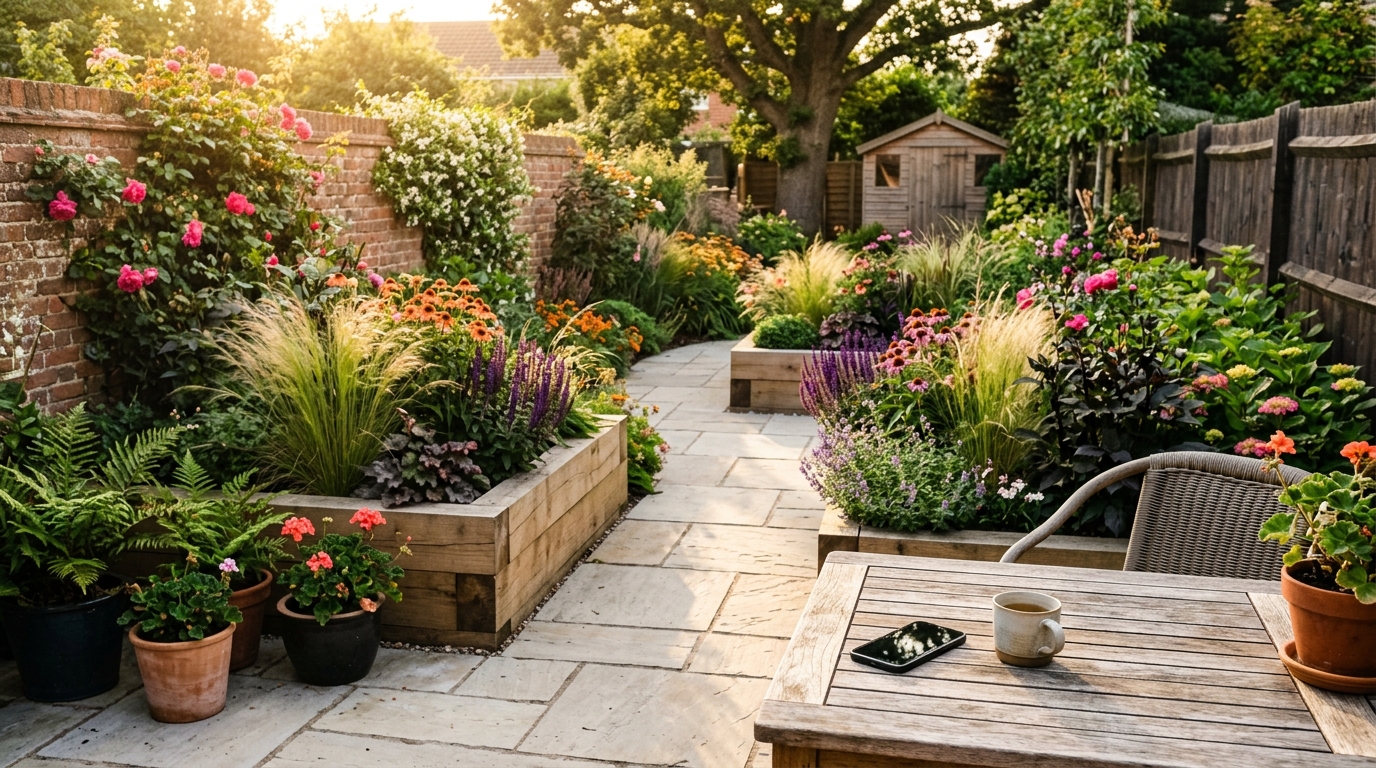
Landscaping Carousel Posts: Before and Afters That Sell Projects
Landscaping Carousel Posts: Before and Afters That Sell Projects
Landscaping has the most persuasive content in any trade and the least organized way of sharing it. Every job produces a genuine transformation, and most of it ends up as one badly lit photo posted the day the crew packs up.
That is a missed opportunity, because garden work is a considered purchase. Nobody spends fifteen thousand pounds on a rear garden impulsively. They think about it for months, they look at a lot of photos, and they choose the company whose work they have seen most often and understood best.
Carousels are how you become that company. This guide covers seven post ideas with example slides, plus the palette and tone that make a landscaping feed read as professional rather than as a phone camera roll.
Why Carousels Work for Landscapers
The single-photo after shot has a fundamental problem: without the before, the viewer has no idea what you did. A beautiful garden might have always been beautiful. Value only becomes visible in the contrast.
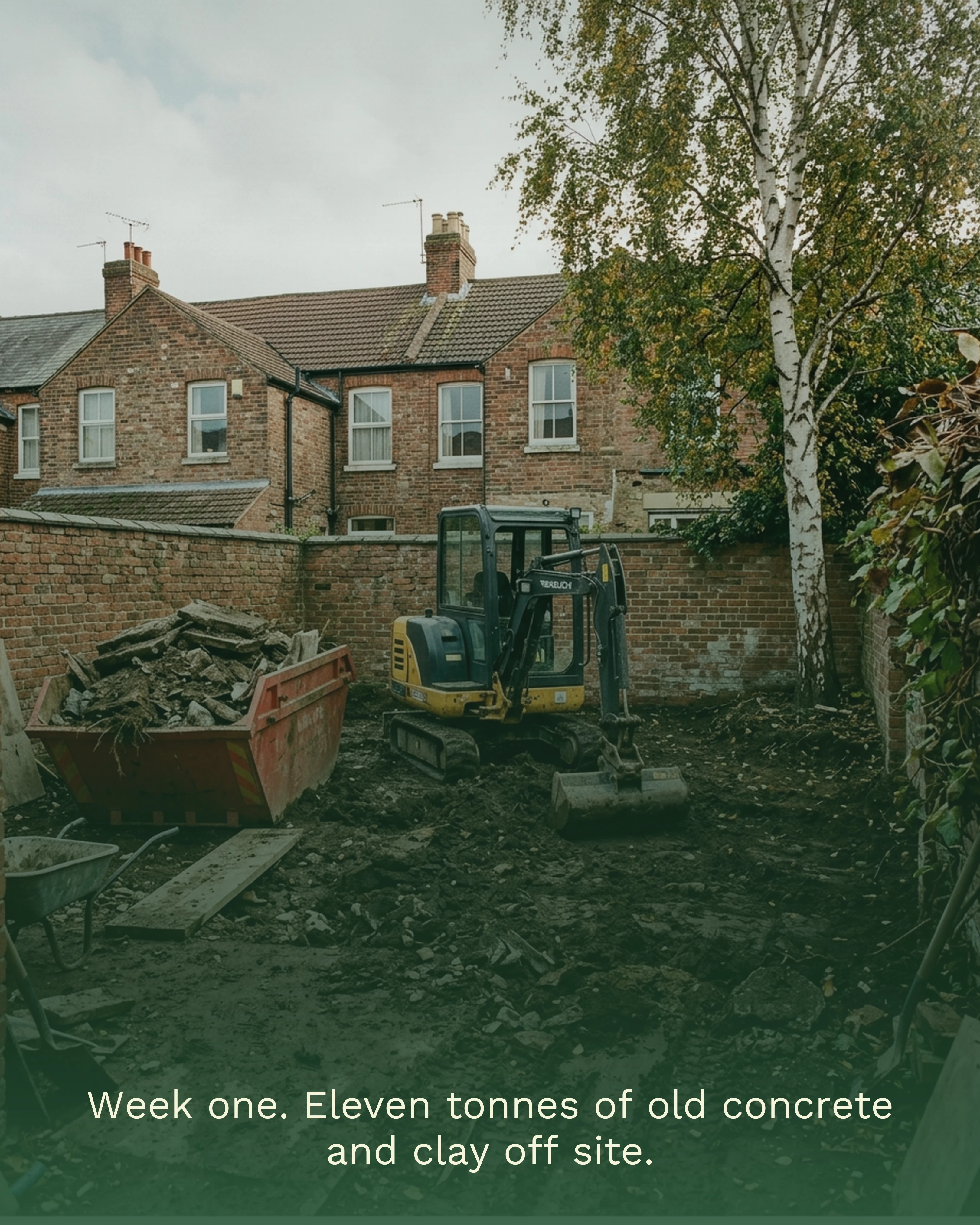
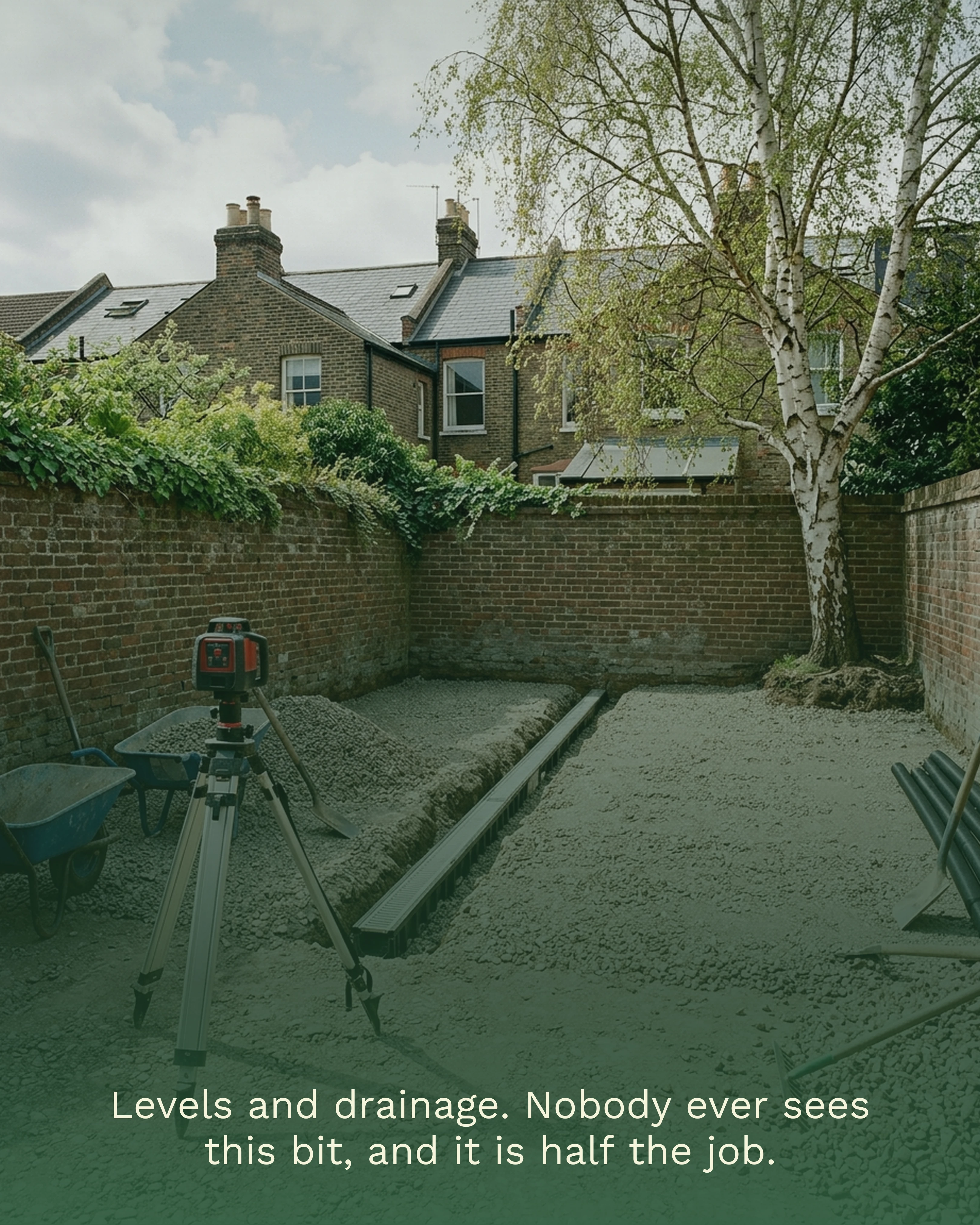
Carousels solve that structurally. Slide one is the tired lawn and the broken fence. The middle slides are the excavation, the levels, the drainage nobody sees once the turf goes down. The last slide is the finished garden in evening light. That sequence does two jobs at once: it sells the outcome and it quietly justifies the quote.
The buried work is the part worth showing. Most quote objections come from people who think they are paying for plants and paving. Showing the substructure changes the conversation before it happens.
The Before-After-Bridge framework was made for this niche, with Listicle covering the practical guides.
Seven Carousel Ideas for Landscapers
1. The Full Project Transformation
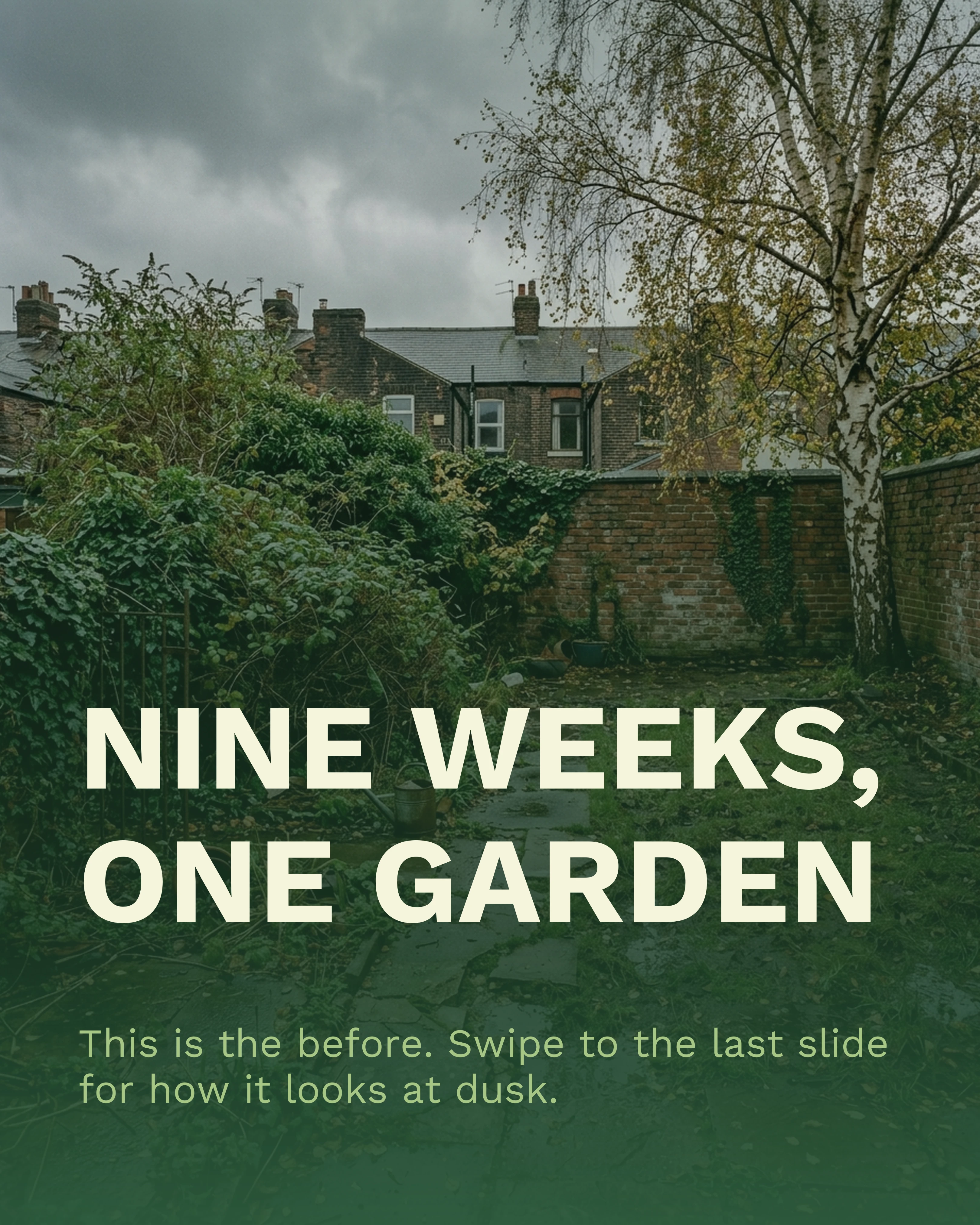
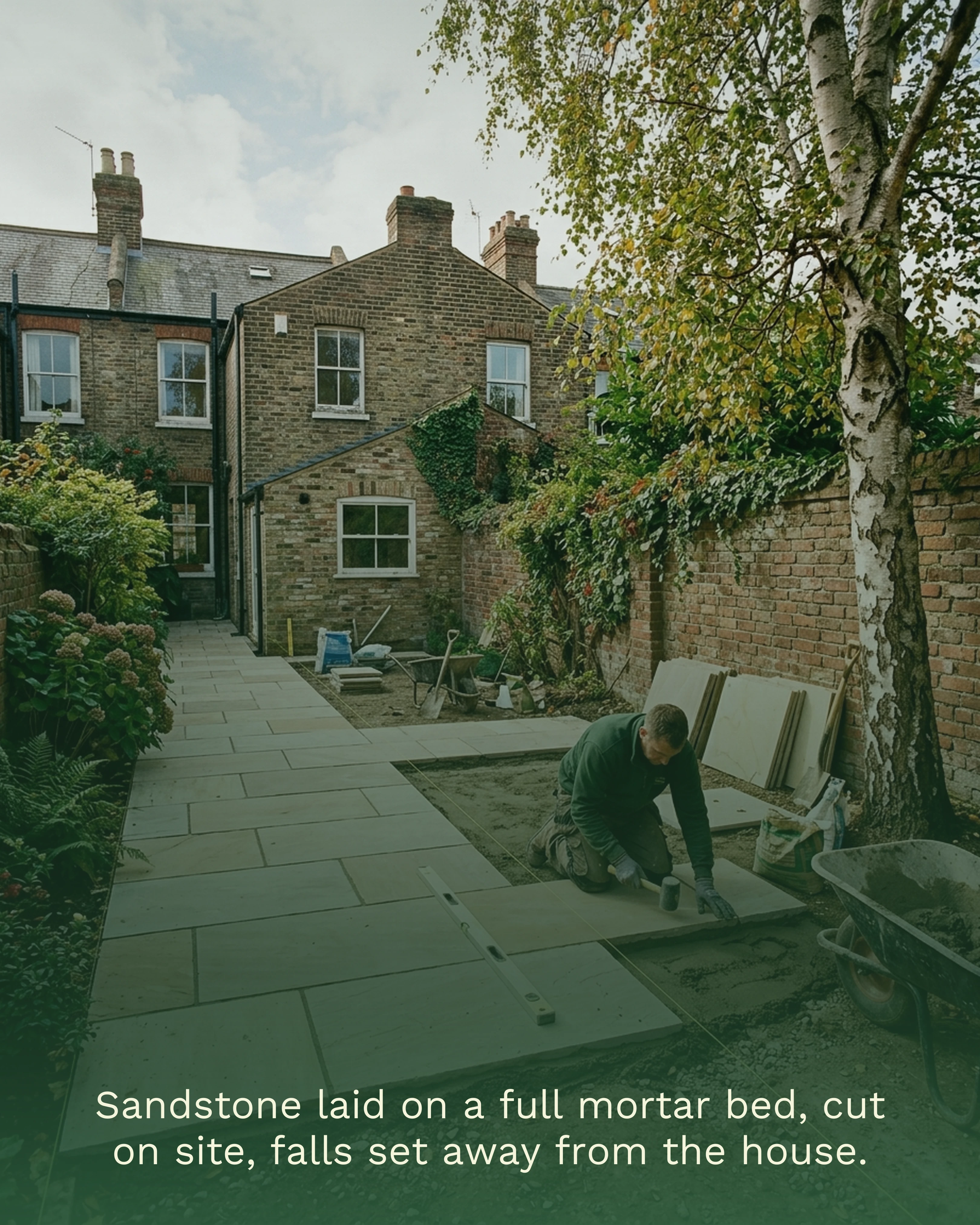
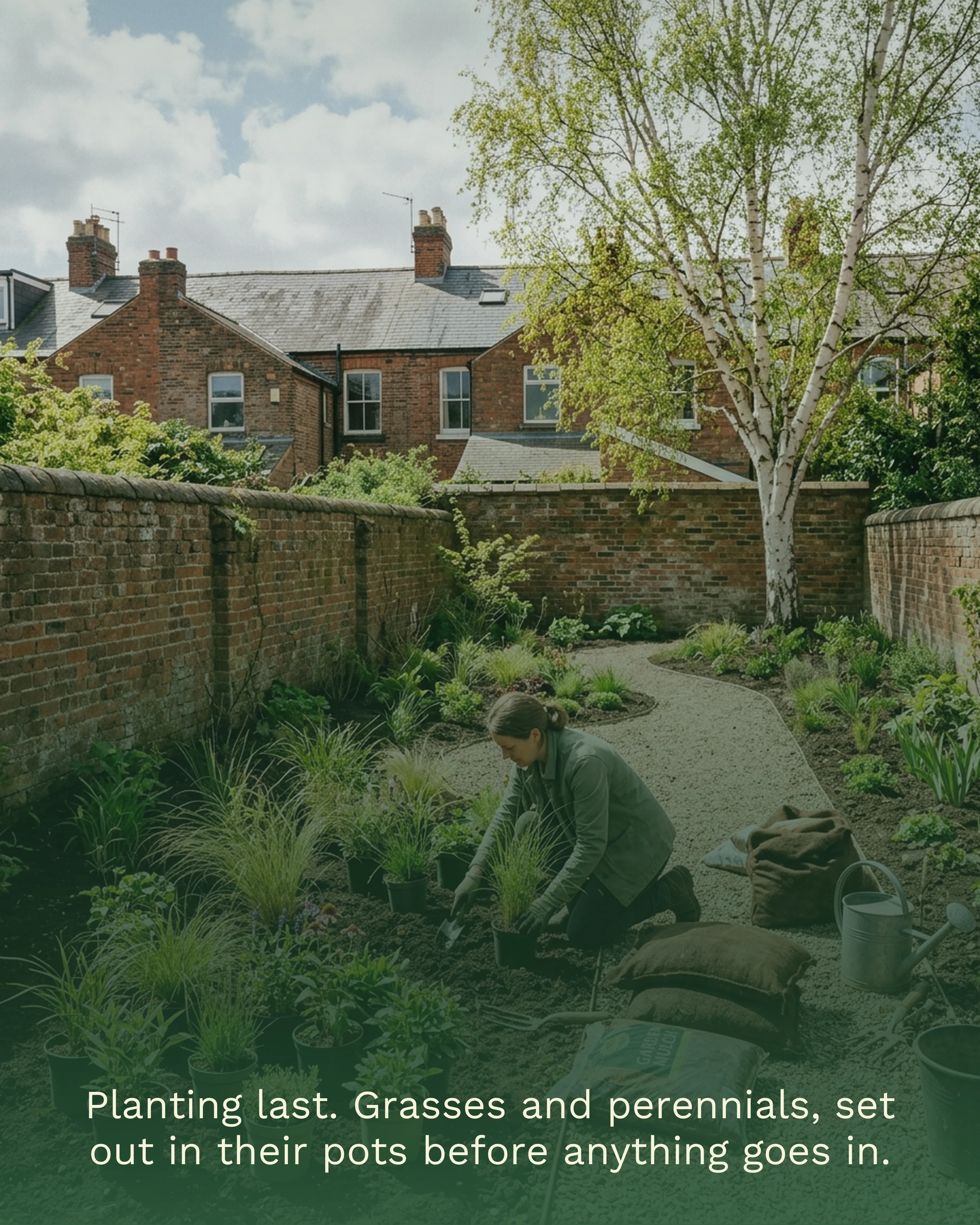
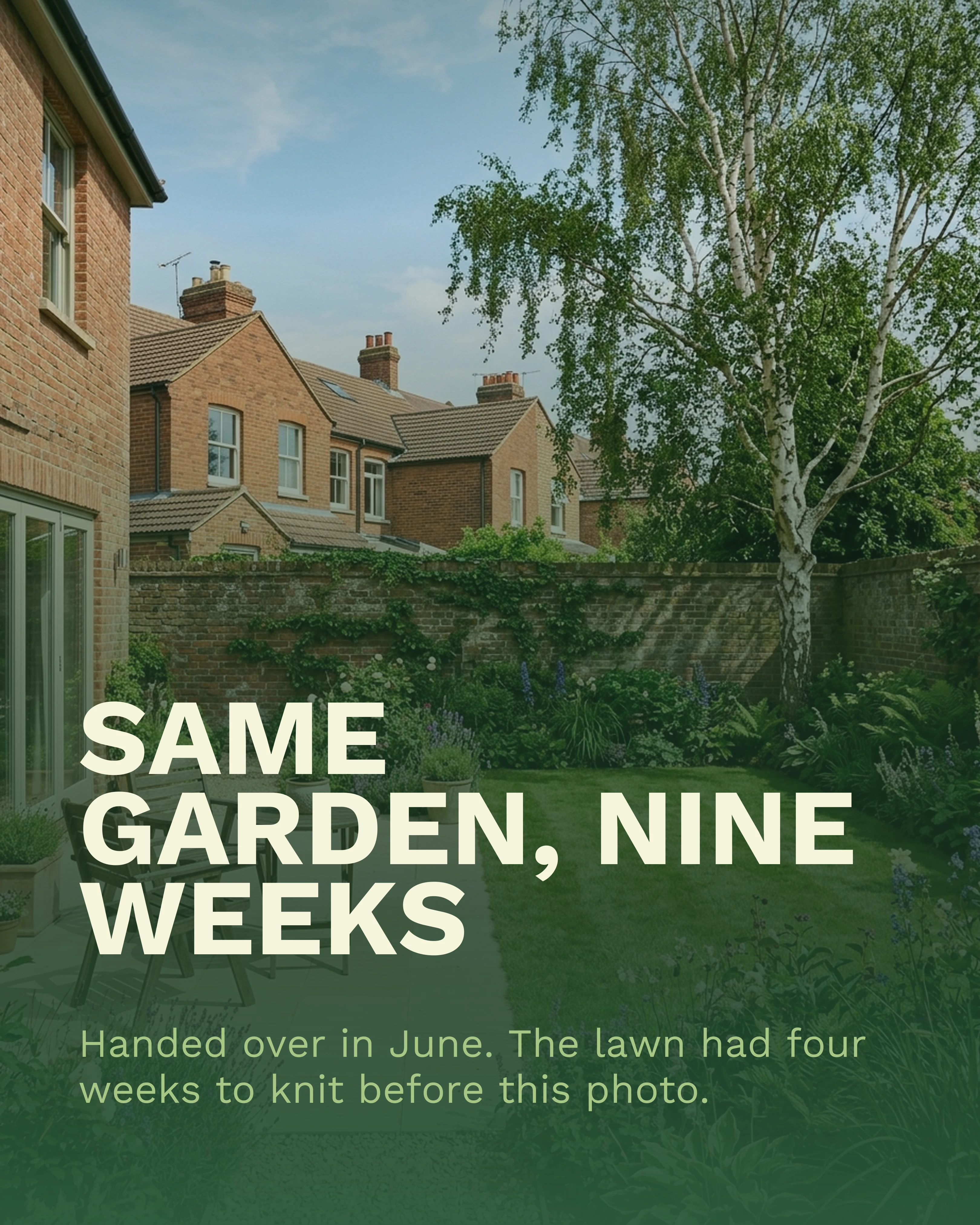
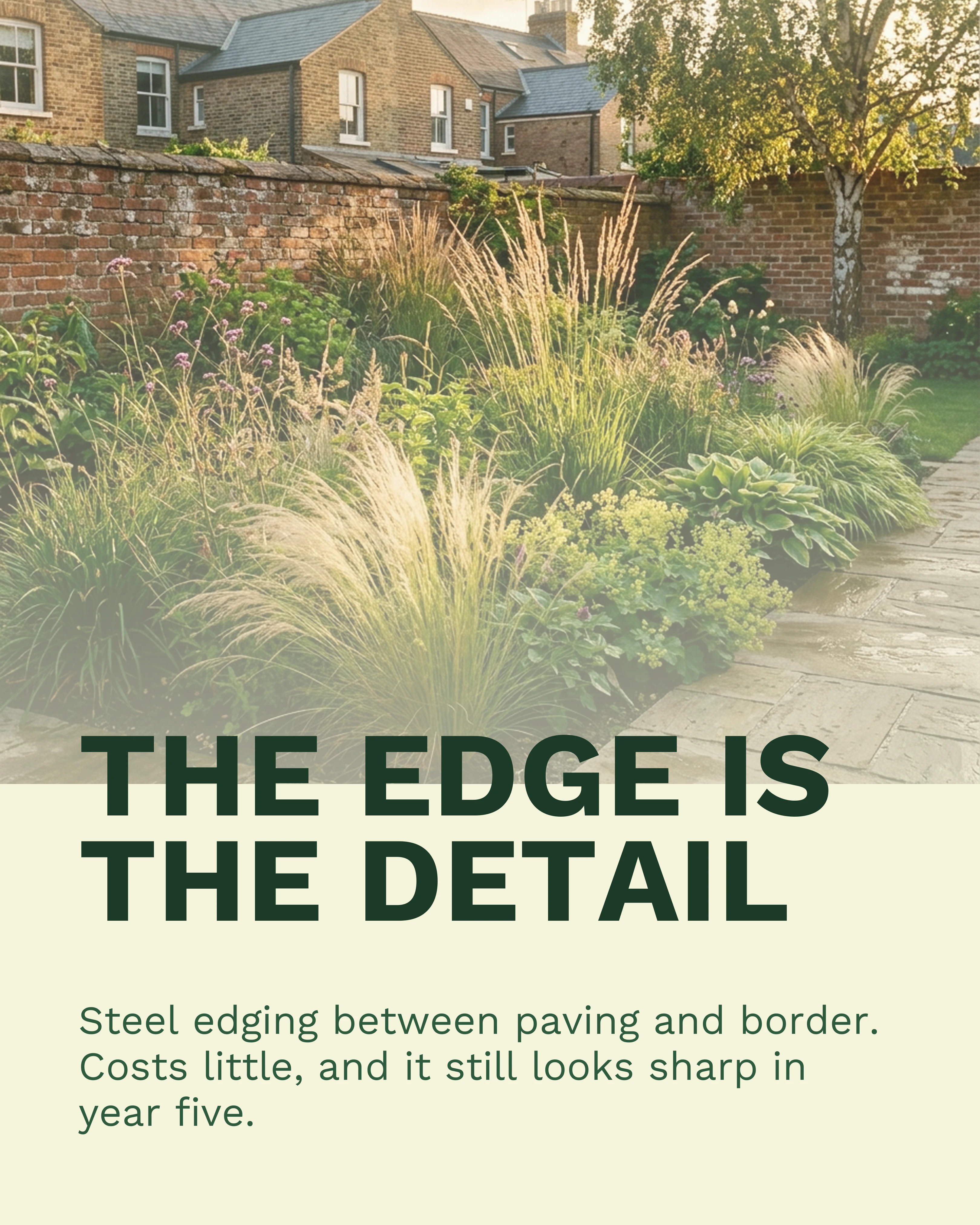
One garden, start to finish, in seven slides. Before, strip-out, levels and drainage, hard landscaping, planting, finished, finished at dusk. This is your flagship post type and the one that generates enquiries months later.
Below is exactly that, built out as a nine-slide post with a cover and a closing slide around it. Note that the before shot is the cover, not a slide buried in the middle: the mess is the hook, and the dusk shot is the payoff you make people swipe for.


2. The Buried Work
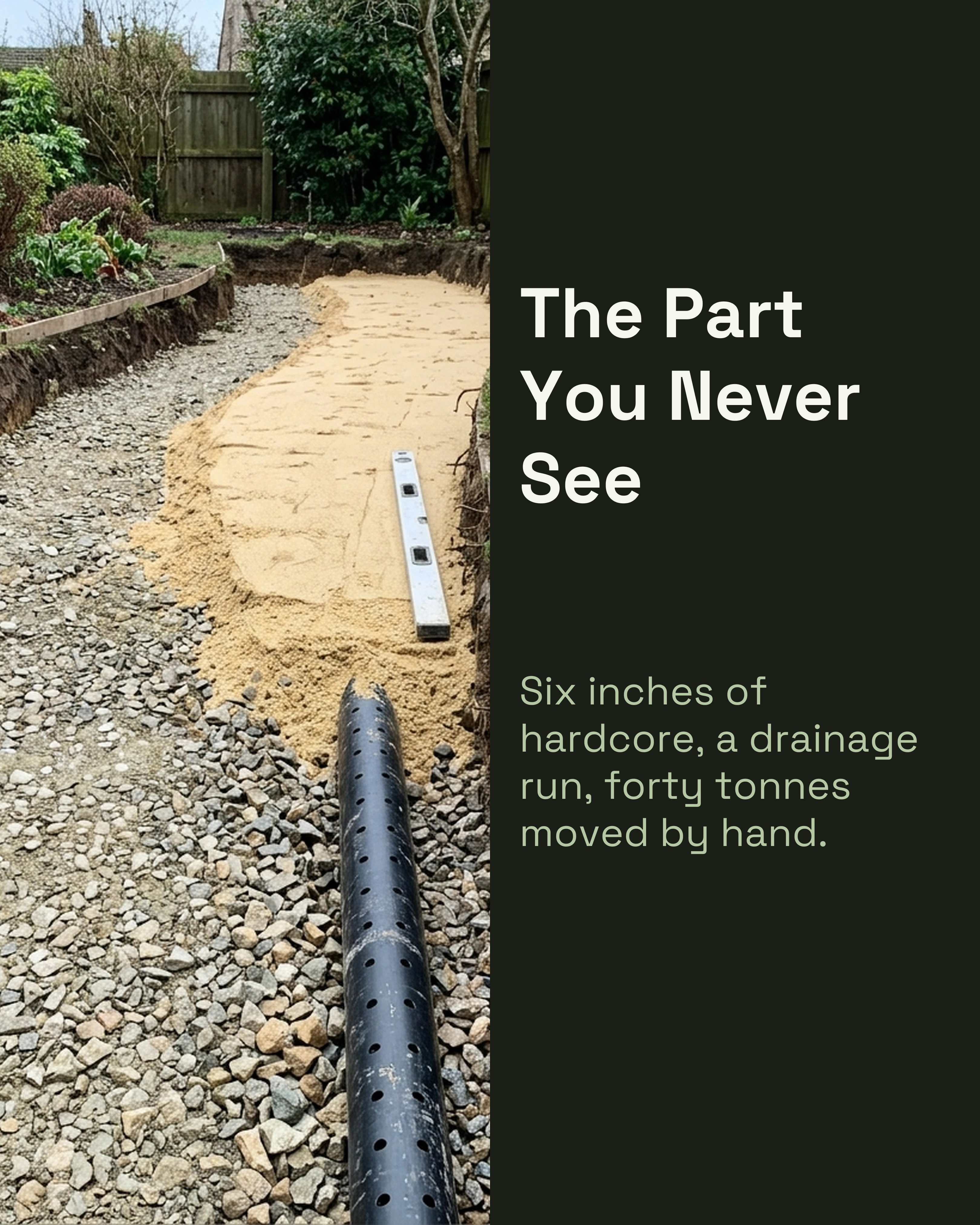
Dedicate a whole post to what disappears. “Everything under this patio that you will never see again.” Sub-base depth, membrane, falls for drainage, edge restraint. It is the most effective price-justification content available to a landscaper, and almost nobody makes it.
3. The Cost Explainer
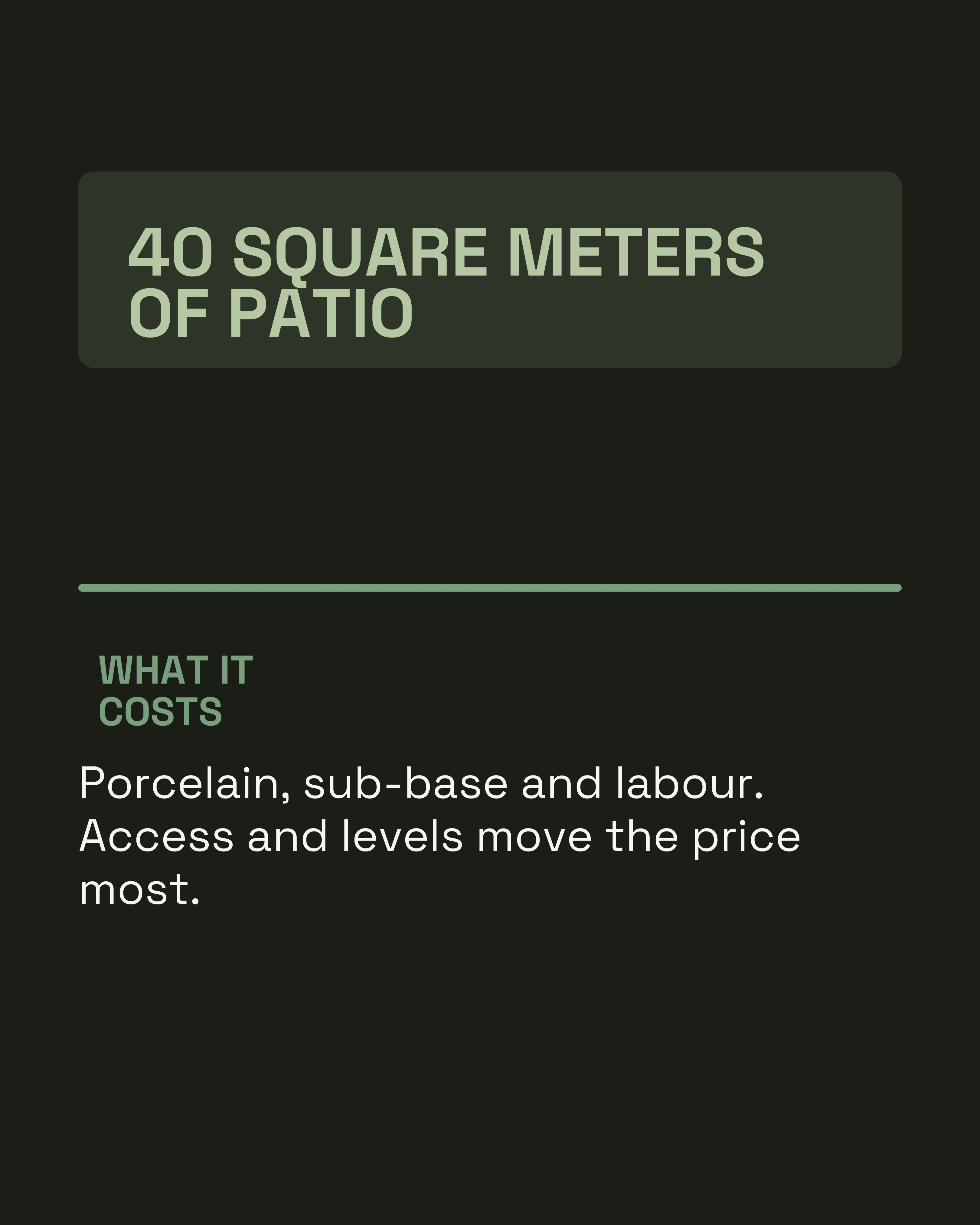
Publish honest ranges. “What a 40 square meter patio actually costs, and what changes the number.” Homeowners are desperate for this information and rarely get it. Being the company that gives it straight filters out unrealistic enquiries and wins the serious ones.
4. The Plant Choice Guide
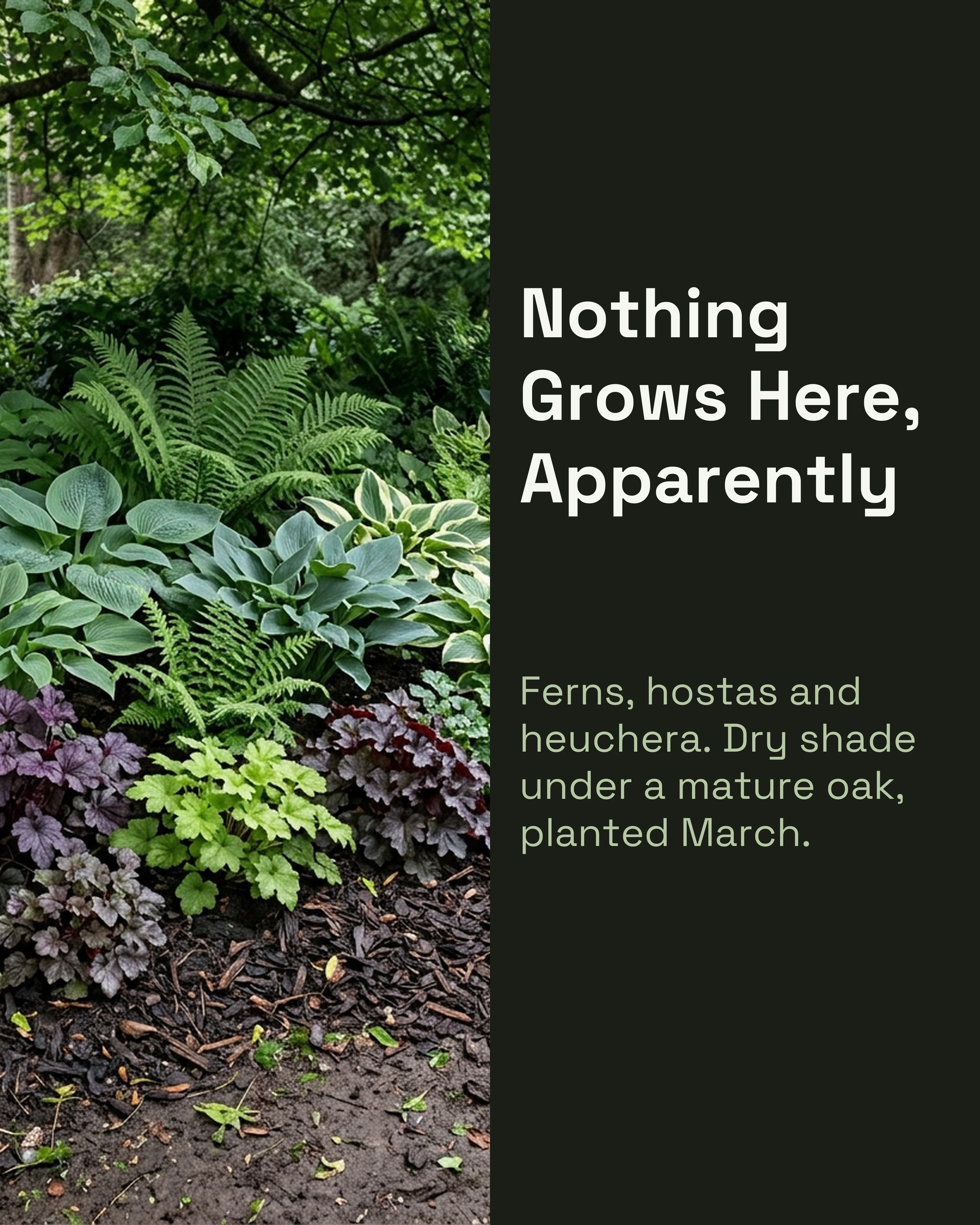
Solve a real problem with real names. “Five plants that survive a north-facing London garden.” Specific, seasonal, saveable, and it proves horticultural knowledge rather than just muscle. Garden designers in particular win work on this kind of post.
5. The Seasonal Timing Post
Tell people when to book and why. “Why the garden you want next summer starts in October.” Landscaping demand is violently seasonal, and content that shifts enquiries into your quiet months is worth more than content that adds to the spring pile-up.

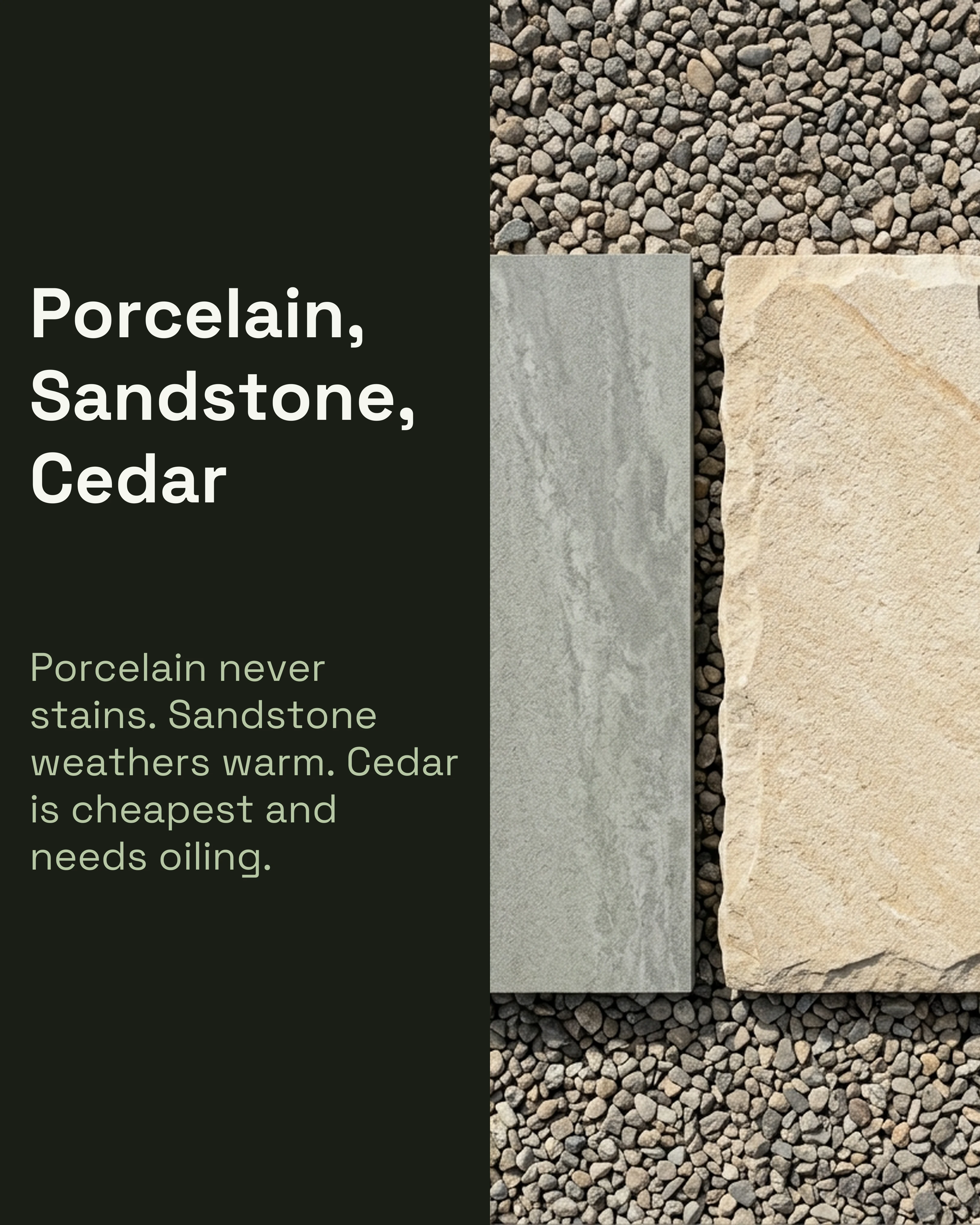
6. The Materials Comparison
Compare two options honestly. “Porcelain or sandstone: cost, upkeep, and how each ages.” Comparison posts get saved and sent to partners, which is exactly the private conversation where the decision actually happens.
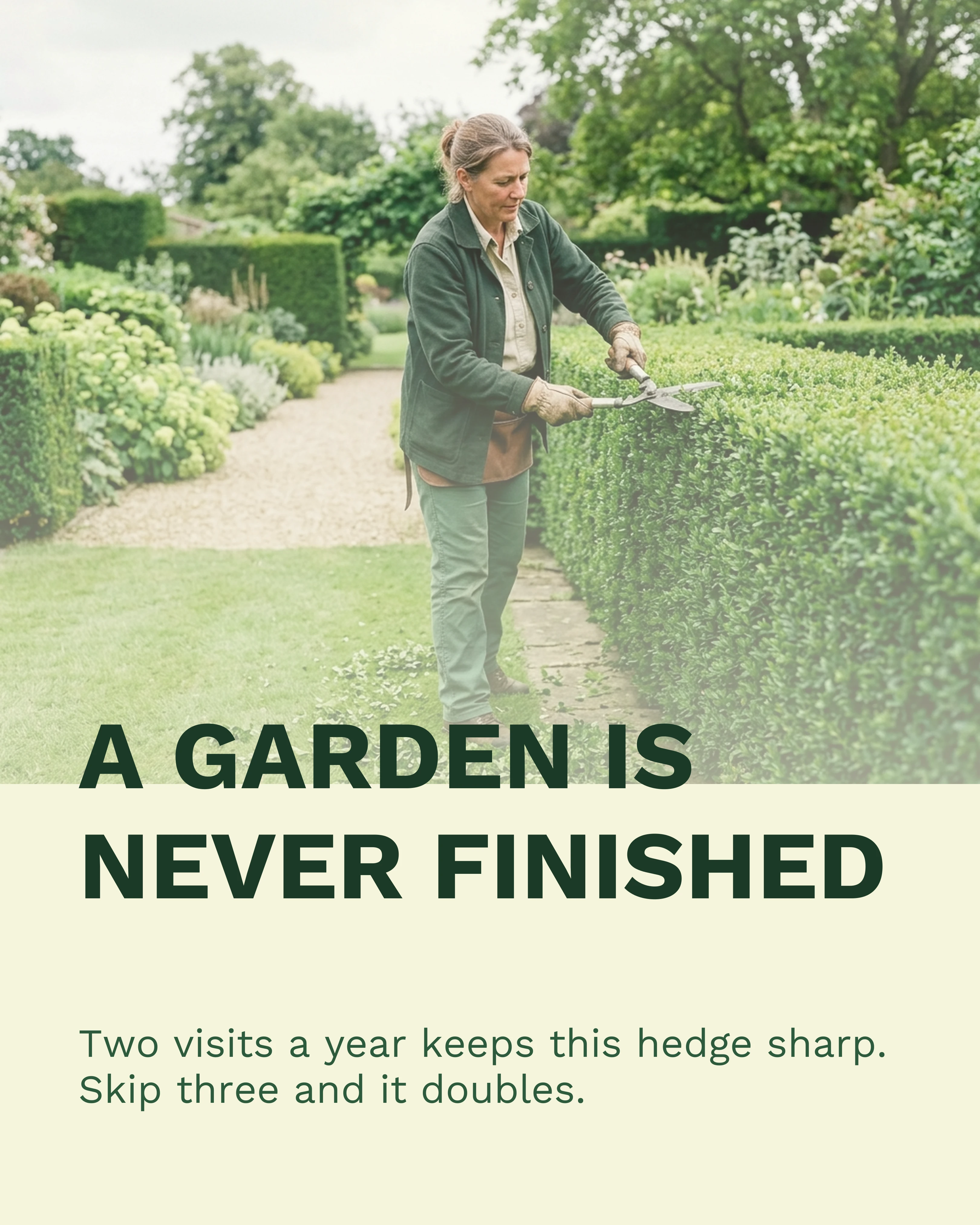
7. The Maintenance Reality
Set expectations for a finished garden. “What this garden needs in year one.” Managing expectations after handover prevents the disappointed reviews that come from clients who thought a planting scheme was finished on day one, and it opens the door to maintenance contracts.
Palette and Tone for Landscaping Content
Natural palettes suit the work. Forest and Sage read as horticultural and calm, which fits planting and design content. Slate works well for hard landscaping and contemporary schemes, where a cooler frame makes stone and steel look considered. Warm suits evening shots and lifestyle-led posts.
On typography, clean and grounded beats decorative: Work Sans, DM Sans, and Sora all look professional at small sizes. If you want more character for a design-led studio, a serif like Lora on headlines works, provided the body text stays plain. The typography guide covers the pairing.
On tone, resist the temptation to talk only to other landscapers. Trade jargon about MOT type 1 and pointing compounds impresses your peers and confuses your buyers. Say what it does, not what it is called. And always credit the crew; homeowners hiring a team want to see a team.
How Carousel Helps Landscapers Post From Site
You are not going to open a design app at the end of a day on the tools, which is why most landscaping feeds go quiet from April to September. Carousel turns a few notes about the job into structured slides in minutes, with Before-After-Bridge and Listicle frameworks ready to shape the story. Pick one palette (Forest or Slate suits this) and use it on every post, save your logo and handle in a brand kit once, and every project post looks like it came from the same company, even the ones you write in the van.
Key Takeaways
- A single after photo hides your value. Contrast is what makes the work visible.
- The buried work post is the strongest price justification content in the trade.
- Publish honest cost ranges. It filters out time-wasters and wins serious enquiries.
- Use seasonal timing posts to move demand into your quiet months.
- Use Forest and Sage for planting, Slate for hard landscaping, and drop the trade jargon.