
Carousel Posts for Financial Advisors: Build Trust and Attract Clients
Carousel Posts for Financial Advisors: Build Trust and Attract Clients
Financial advice is a trust business before it is anything else. People do not hand over their retirement savings to someone they found yesterday. They hire the advisor who has spent months quietly demonstrating that they understand money, explain it clearly, and act in the client’s interest.
Carousels are unusually well suited to that slow trust-building. They let you take an intimidating, jargon-heavy topic and break it into calm, digestible slides. Done consistently, a feed of clear, useful carousels does the same work as a dozen coffee meetings, except it runs while you sleep.
This guide covers why carousels work for advisors, seven post ideas with example slides, and the palette and tone choices that make finance content feel credible rather than salesy.
Why Carousels Work for Financial Advisors
Money is emotional and complicated, which is exactly the combination carousels handle well. A single slide can hold one idea. Ten slides can walk someone from confusion to clarity without overwhelming them.
Carousels also reward the two things advisors need most: saves and authority. A well-built explainer on, say, the difference between a Roth and a traditional account gets saved because people want it for later. And every saved post is a quiet endorsement that pushes your reach further.
Crucially, the format keeps you compliant-friendly. You are educating, not promising returns. Frameworks like the Listicle and Myth vs Fact structures let you teach without ever crossing into advice that needs a disclaimer-heavy hard sell.
Seven Carousel Ideas for Financial Advisors
1. The Jargon Translator
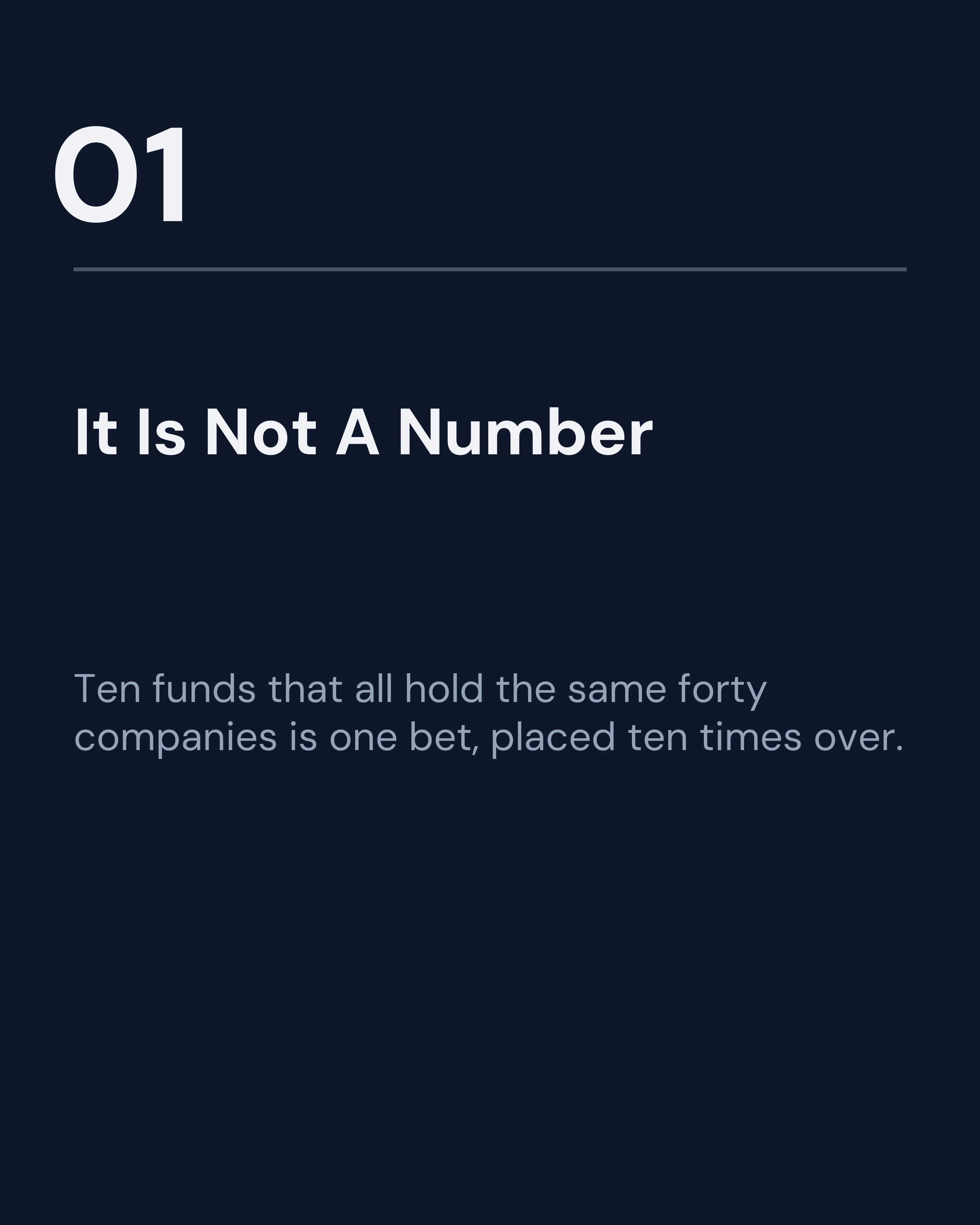
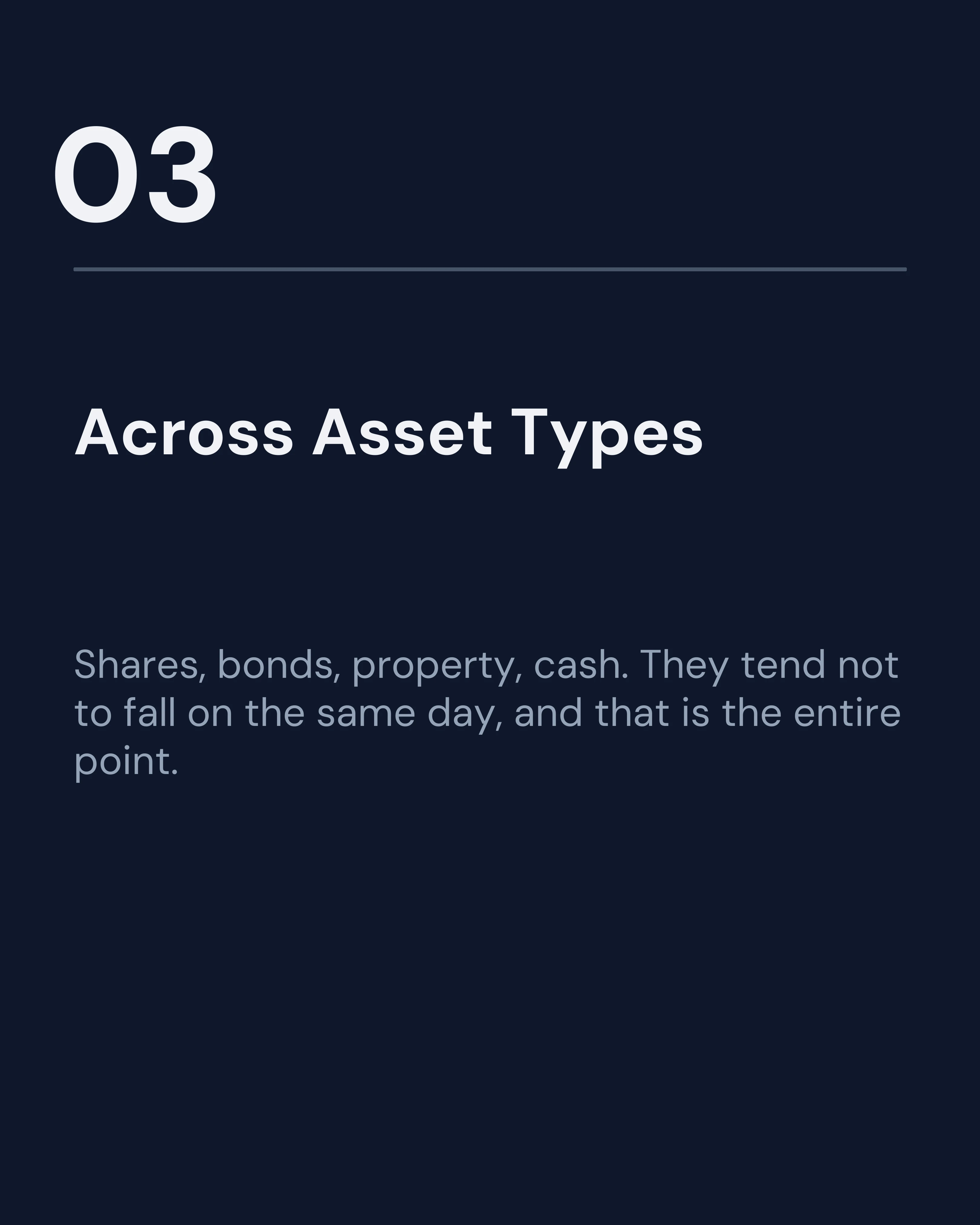
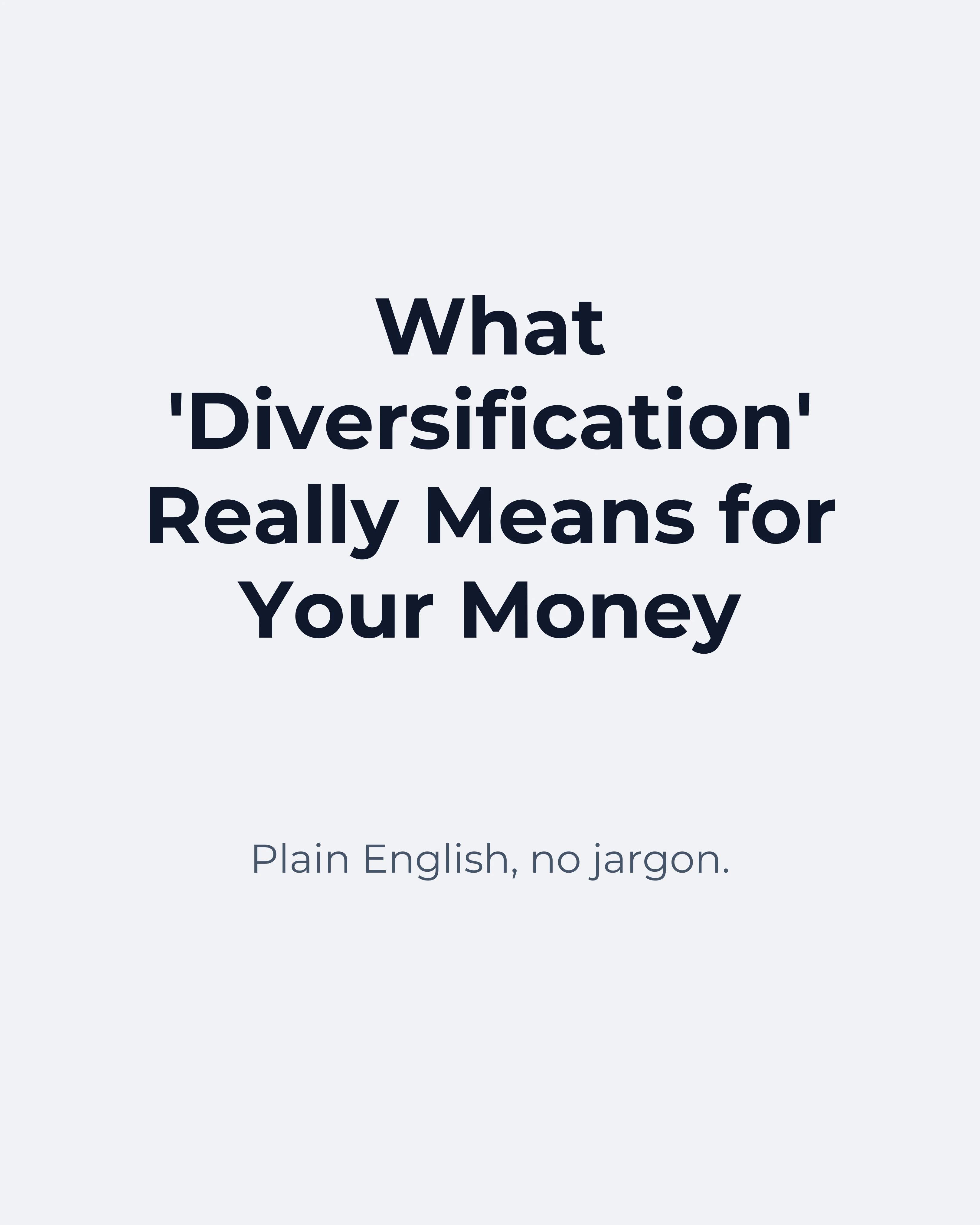
Pick one confusing term and explain it like a human. “What does ‘diversification’ actually mean for your money?” Map it to the Listicle framework: two slides correcting what people think it means, three defining it in plain English, then one thing to go and check.
Here it is in full, seven slides, as an advisor would actually post it. The rest of the ideas below carry a single representative slide each; this one is shown end to end because an explainer only proves itself at length.





2. The Costly Mistake
Show a common money mistake and the calmer alternative. “Three things people do with a bonus, and the one that actually builds wealth.” This uses tension well and pairs naturally with the PAS framework: name the problem, agitate the cost, then resolve it.

3. The Milestone Checklist
A saveable checklist tied to a life stage. “Financial moves to make before 35” or “What to sort out in the year before retirement.” Checklists are among the most-saved finance content because they double as a personal to-do list.

4. The Myth Buster
Correct a widespread financial belief. “You need to be rich to start investing” or “Renting is throwing money away.” Use the Myth vs Fact structure: state the myth, then deliver the calm, sourced correction. This format positions you as the steady voice in a noisy space.

5. The Number That Surprises People
Lead with a single striking figure and unpack it. “Starting at 25 instead of 35 can roughly double your retirement pot, here’s why.” Keep the math visible and the claim conservative. One concrete number does more work than a slide of adjectives.

6. The Client Question
Answer a question you get every week. “Should I pay off debt or invest first?” Real client questions make excellent carousels because you already know the objections and nuances cold. This is also a natural This or That comparison.


7. The Behind-the-Scenes Principle
Share how you actually think. “How I decide whether a goal is worth borrowing for.” Process content builds trust because it shows your reasoning, not just your conclusions. People hire the advisor whose thinking they understand.

Palette and Tone for Finance Content
Finance content should feel like a private bank, not a payday loan. Reach for sophisticated, restrained palettes: Slate, Midnight, and Lavender all read as considered and trustworthy. Avoid loud, high-saturation color schemes that signal hype.
On typography, lean into clean, confident fonts. A serif like Lora or Playfair Display on the headline adds gravitas; a neutral sans like Work Sans or DM Sans keeps the body readable. The typography guide covers pairings that suit professional services.
Tone matters as much as design. Use specific numbers, cite sources for any statistic, and never imply guaranteed returns. The goal is to sound like the calmest, clearest person in a room full of noise.
How Carousel Helps Financial Advisors Stay Consistent
The hard part of advisor marketing is not knowing your subject, it is finding time to publish clearly and regularly between client meetings. Carousel lets you drop in a client question or a concept, pick a framework like Listicle or Myth vs Fact, and generate clean, on-brand slides in minutes. Pick one palette (Slate or Midnight suits this) and use it on every post, save your logo and handle in a brand kit once, and every post afterward looks like it came from the same trusted practice.
Key Takeaways
- Advisor marketing is trust-building, and consistent educational carousels do it at scale.
- Lead with plain-English explainers, myth-busters, and saveable checklists tied to life stages.
- Real client questions are your best source of post ideas.
- Use restrained palettes (Slate, Midnight, Lavender) and confident typography to signal credibility.
- Always cite figures and avoid any language that implies guaranteed returns.